
Ai Content Generator
Ai Picture
Tell Your Story


.webp)
 Global News
Chaos in the Aftermath: How Disinformation Surged Amidst Spain's Flood Recovery
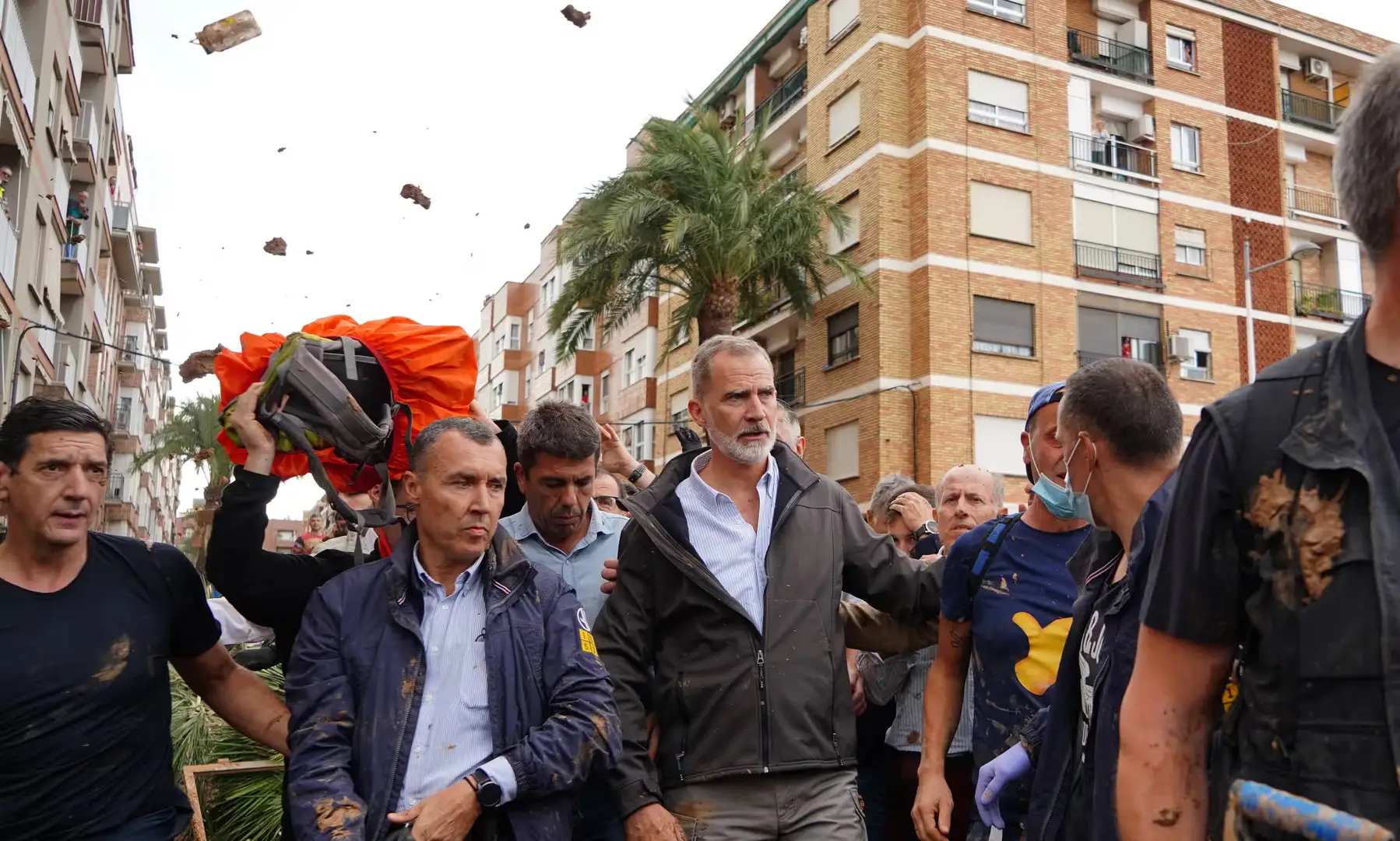
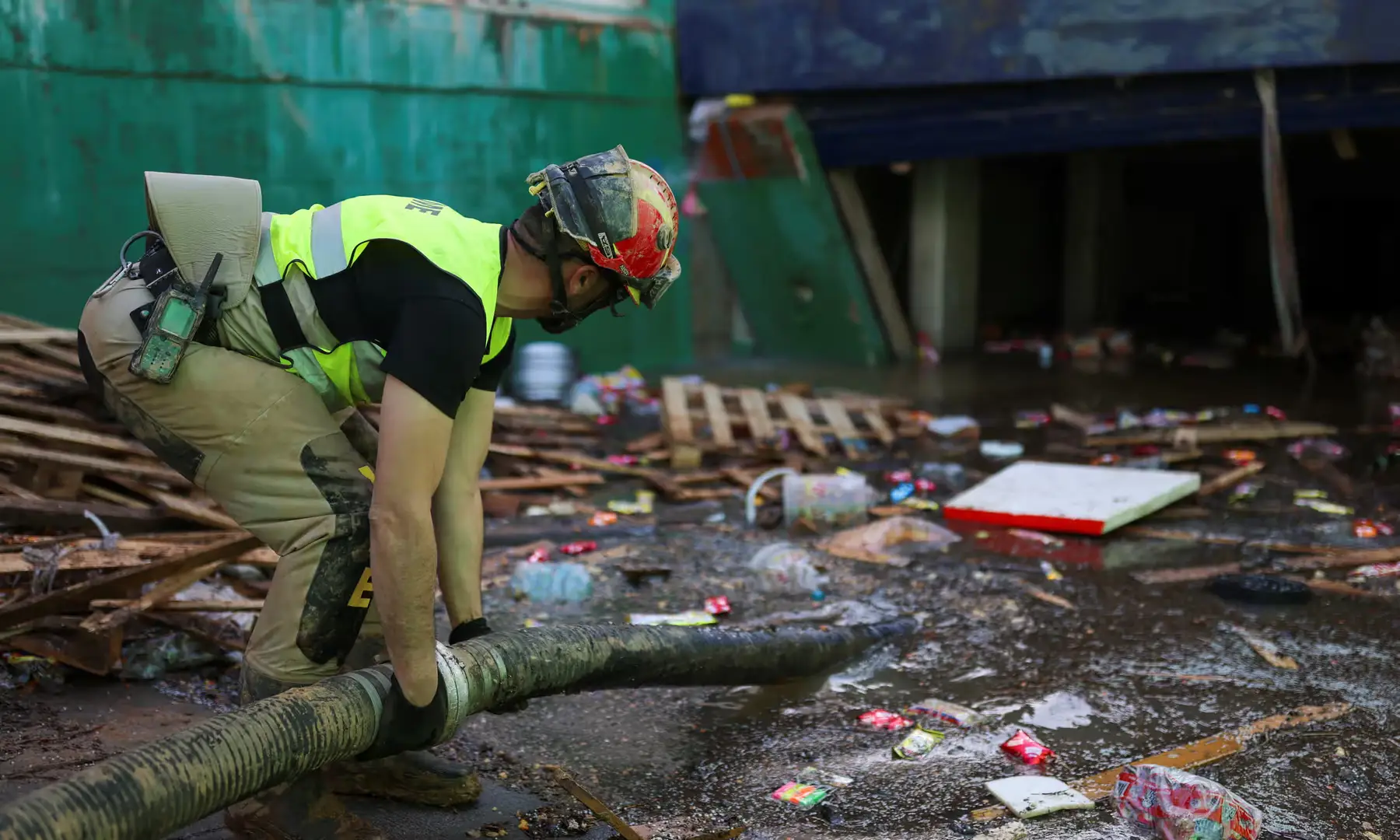
Chaos in the Aftermath: How Disinformation Surged Amidst Spain's Flood Recovery<br>Subtitle: As the floodwaters recede, false claims and hoaxes threaten to undermine trust and safety in Spain.<br>Introduction:<br>In the wake of devastating floods that claimed over 200 lives in Spain, a new crisis is emerging—disinformation. As the waters recede, the spread of false claims and hoaxes has surged, creating chaos and confusion at a time when clarity is desperately needed. The recent events surrounding the Bonaire shopping center's underground car park in Aldaia illustrate the dangerous consequences of misinformation in crisis situations. With the country grappling with loss and uncertainty, understanding the dynamics of disinformation becomes crucial for ensuring public safety and restoring trust in official communications.<br>The Flood and Its Aftermath<br>Last week, Spain faced one of its worst natural disasters in recent history, with heavy rainfall leading to catastrophic flooding across the Valencia region. The Bonaire shopping center, known for its vast array of shops and restaurants, found itself at the center of a disinformation storm. Social media influencers and public figures began to circulate unfounded claims that the car park was filled with bodies, a narrative that quickly gained traction despite being debunked by authorities.<br>The Rise of Disinformation<br>Ximena Villagrán from Maldita.es, a nonprofit organization dedicated to fact-checking, reported that over 60 hoaxes related to the floods have been confirmed. “The disinformation started on Tuesday night,” she stated, highlighting how uncertainty breeds misinformation. The absence of timely, accurate information from official sources allowed speculation and false narratives to flourish, causing significant strain on emergency services.<br>Impact on Emergency Response<br>The head of the fire department in Valencia, José Miguel Basset, expressed the detrimental effects of misinformation on rescue efforts. He noted that false reports about evacuations and dam failures not only misled the public but also hindered emergency workers trying to save lives. “These actions, if not halted by citizens, can lead to chaos,” he warned, emphasizing the urgency of verifying information before sharing it.<br>Block Quote:<br>“The proliferation of fake news in times of crisis can pose serious risks to people’s safety,” warned Greenpeace Spain in a statement. “Denialism, hoaxes as well as the lack of measures to stop, mitigate and adapt to climate change can cost lives.”<br>The Role of Social Media<br>Social media has become a double-edged sword in the context of crisis management. While it can be a tool for disseminating vital information quickly, it also serves as a breeding ground for misinformation. Many individuals, driven by emotional responses to the unfolding tragedy, have shared unverified claims, further complicating the situation. As disinformation continues to spread, public trust in government and emergency services is eroded, leading to heightened tensions and anger.<br>The Intersection of Disinformation and Politics<br>The political ramifications of the disinformation wave have been significant. Activists and far-right groups have utilized the chaos to discredit the government, fueling public outrage against leaders like Prime Minister Pedro Sánchez. As misinformation intertwines with political agendas, it becomes increasingly difficult to separate fact from fiction, exacerbating societal divisions and distrust.<br>Conclusion:<br>As Spain navigates the aftermath of its recent floods, the rise of disinformation presents a formidable challenge. The chaos wrought by false claims not only complicates recovery efforts but also undermines public trust in official communications. To mitigate the impact of misinformation, it is essential for individuals to critically evaluate information before sharing, and for authorities to prioritize transparent communication. In an era where misinformation can lead to real-world consequences, fostering a culture of critical thinking and accountability is more important than ever.<br>
As the floodwaters recede, false claims and hoaxes threaten to undermine trust and safety in Spain.<br>Introduction:<br>In the wake of devastating floods that claimed over 200 lives in Spain, a new crisis is emerging—disinformation. As the waters recede, the spread of false claims and hoaxes has surged, creating chaos and confusion at a time when clarity is desperately needed. The recent events surrounding the Bonaire shopping center's underground car park in Aldaia illustrate the dangerous consequences of misinformation in crisis situations. With the country grappling with loss and uncertainty, understanding the dynamics of disinformation becomes crucial for ensuring public safety and restoring trust in official communications.<br>The Flood and Its Aftermath<br>Last week, Spain faced one of its worst natural disasters in recent history, with heavy rainfall leading to catastrophic flooding across the Valencia region. The Bonaire shopping center, known for its vast array of shops and restaurants, found itself at the center of a disinformation storm. Social media influencers and public figures began to circulate unfounded claims that the car park was filled with bodies, a narrative that quickly gained traction despite being debunked by authorities.<br>The Rise of Disinformation<br>Ximena Villagrán from Maldita.es, a nonprofit organization dedicated to fact-checking, reported that over 60 hoaxes related to the floods have been confirmed. “The disinformation started on Tuesday night,” she stated, highlighting how uncertainty breeds misinformation. The absence of timely, accurate information from official sources allowed speculation and false narratives to flourish, causing significant strain on emergency services.<br>Impact on Emergency Response<br>The head of the fire department in Valencia, José Miguel Basset, expressed the detrimental effects of misinformation on rescue efforts. He noted that false reports about evacuations and dam failures not only misled the public but also hindered emergency workers trying to save lives. “These actions, if not halted by citizens, can lead to chaos,” he warned, emphasizing the urgency of verifying information before sharing it.<br>Block Quote:<br>“The proliferation of fake news in times of crisis can pose serious risks to people’s safety,” warned Greenpeace Spain in a statement. “Denialism, hoaxes as well as the lack of measures to stop, mitigate and adapt to climate change can cost lives.”<br>The Role of Social Media<br>Social media has become a double-edged sword in the context of crisis management. While it can be a tool for disseminating vital information quickly, it also serves as a breeding ground for misinformation. Many individuals, driven by emotional responses to the unfolding tragedy, have shared unverified claims, further complicating the situation. As disinformation continues to spread, public trust in government and emergency services is eroded, leading to heightened tensions and anger.<br>The Intersection of Disinformation and Politics<br>The political ramifications of the disinformation wave have been significant. Activists and far-right groups have utilized the chaos to discredit the government, fueling public outrage against leaders like Prime Minister Pedro Sánchez. As misinformation intertwines with political agendas, it becomes increasingly difficult to separate fact from fiction, exacerbating societal divisions and distrust.<br>Conclusion:<br>As Spain navigates the aftermath of its recent floods, the rise of disinformation presents a formidable challenge. The chaos wrought by false claims not only complicates recovery efforts but also undermines public trust in official communications. To mitigate the impact of misinformation, it is essential for individuals to critically evaluate information before sharing, and for authorities to prioritize transparent communication. In an era where misinformation can lead to real-world consequences, fostering a culture of critical thinking and accountability is more important than ever.<br>
<br>In the wake of devastating floods that claimed over 200 lives in Spain, a new crisis is emerging—disinformation. As the waters recede, the spread of false claims and hoaxes has surged, creating chaos and confusion at a time when clarity is desperately needed. The recent events surrounding the Bonaire shopping center's underground car park in Aldaia illustrate the dangerous consequences of misinformation in crisis situations. With the country grappling with loss and uncertainty, understanding the dynamics of disinformation becomes crucial for ensuring public safety and restoring trust in official communications.<br>The Flood and Its Aftermath<br>Last week, Spain faced one of its worst natural disasters in recent history, with heavy rainfall leading to catastrophic flooding across the Valencia region. The Bonaire shopping center, known for its vast array of shops and restaurants, found itself at the center of a disinformation storm. Social media influencers and public figures began to circulate unfounded claims that the car park was filled with bodies, a narrative that quickly gained traction despite being debunked by authorities.<br>The Rise of Disinformation<br>Ximena Villagrán from Maldita.es, a nonprofit organization dedicated to fact-checking, reported that over 60 hoaxes related to the floods have been confirmed. “The disinformation started on Tuesday night,” she stated, highlighting how uncertainty breeds misinformation. The absence of timely, accurate information from official sources allowed speculation and false narratives to flourish, causing significant strain on emergency services.<br>Impact on Emergency Response<br>The head of the fire department in Valencia, José Miguel Basset, expressed the detrimental effects of misinformation on rescue efforts. He noted that false reports about evacuations and dam failures not only misled the public but also hindered emergency workers trying to save lives. “These actions, if not halted by citizens, can lead to chaos,” he warned, emphasizing the urgency of verifying information before sharing it.<br>Block Quote:<br>“The proliferation of fake news in times of crisis can pose serious risks to people’s safety,” warned Greenpeace Spain in a statement. “Denialism, hoaxes as well as the lack of measures to stop, mitigate and adapt to climate change can cost lives.”<br>The Role of Social Media<br>Social media has become a double-edged sword in the context of crisis management. While it can be a tool for disseminating vital information quickly, it also serves as a breeding ground for misinformation. Many individuals, driven by emotional responses to the unfolding tragedy, have shared unverified claims, further complicating the situation. As disinformation continues to spread, public trust in government and emergency services is eroded, leading to heightened tensions and anger.<br>The Intersection of Disinformation and Politics<br>The political ramifications of the disinformation wave have been significant. Activists and far-right groups have utilized the chaos to discredit the government, fueling public outrage against leaders like Prime Minister Pedro Sánchez. As misinformation intertwines with political agendas, it becomes increasingly difficult to separate fact from fiction, exacerbating societal divisions and distrust.<br>Conclusion:<br>As Spain navigates the aftermath of its recent floods, the rise of disinformation presents a formidable challenge. The chaos wrought by false claims not only complicates recovery efforts but also undermines public trust in official communications. To mitigate the impact of misinformation, it is essential for individuals to critically evaluate information before sharing, and for authorities to prioritize transparent communication. In an era where misinformation can lead to real-world consequences, fostering a culture of critical thinking and accountability is more important than ever.<br>
<br>As Spain navigates the aftermath of its recent floods, the rise of disinformation presents a formidable challenge. The chaos wrought by false claims not only complicates recovery efforts but also undermines public trust in official communications. To mitigate the impact of misinformation, it is essential for individuals to critically evaluate information before sharing, and for authorities to prioritize transparent communication. In an era where misinformation can lead to real-world consequences, fostering a culture of critical thinking and accountability is more important than ever.<br>
Related Posts
© 2025 Invastor. All Rights Reserved
User Comments